Apex Access Group
Trust. By Design
Apex Access Group — fall protection inspection & testing works at height

Mansafe, eyebolt & anchor inspection and testing

Annual inspection, testing and recertification of mansafe lifelines, eyebolts, anchor points, ladders and guardrails to BS 7883 — with certificates and remedial works carried out in the same visit.

Why fall protection systems need testing

A mansafe lifeline, eyebolt or anchor point is only safe to use while it's inspected and in date. BS 7883 — the code of practice for anchor devices to BS EN 795 — calls for every system to be inspected at least once a year, and the Work at Height Regulations 2005 require equipment used to prevent falls to be inspected at suitable intervals by a competent person. Systems on a building are exposed to weather, roof works, plant changes and wear from use, so a lifeline that was fine at handover can be slack, corroded or damaged a few years later. An annual inspection checks each component against the manufacturer's requirements, proof-load tests anchors where the standard or manufacturer calls for it, and records the result on a certificate that building owners, facilities managers and contractors can show before anyone clips on. When a system fails, it's taken out of use and tagged until it's repaired — which is why Apex carries out remedial works in the same visit where it can, so the system goes back into service without a second mobilisation.

How we deliver.

Horizontal lifelines (mansafe)

Inspection of the full run — wire condition, tension, energy absorber, end and intermediate brackets, fixings and the substrate they're fixed to — against the manufacturer's requirements and BS 7883. Faults are recorded with photographs and the line is either passed, repaired on the day or taken out of use.

Eyebolts & anchor points

Visual inspection and proof-load (pull) testing of eyebolts, single-point anchors and rope-access tie-backs to BS EN 795 and BS 7883. Each anchor is identified on a plan so the next inspection, and anyone using the system, can find it.

Vertical lifelines & ladders

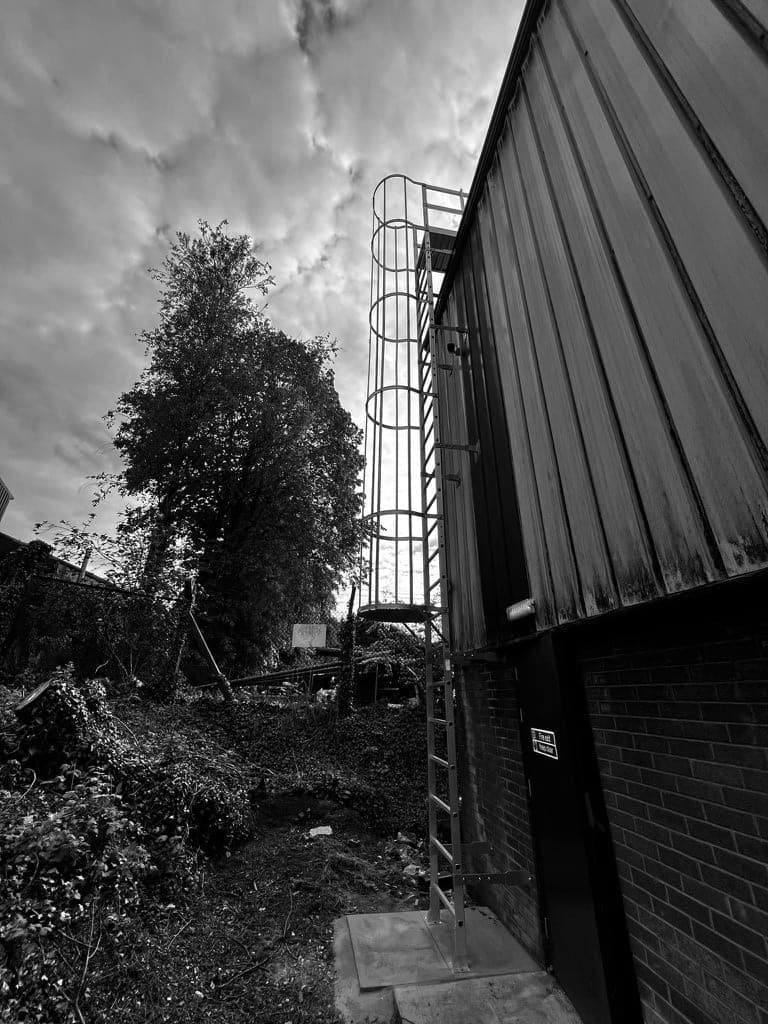
Inspection of vertical fall-arrest systems, cat ladders and ladder cages — rungs, stiles, fixings, cages, rest platforms and the lifeline and shuttle — so fixed vertical access stays safe to climb.

Guardrails & walkways

Checks on fixed and freestanding guardrails, ballast, walkway fixings and edge protection, including roofs where freestanding systems have moved or lost ballast over time.

Certificates & records

A certificate for every system inspected, with the result for each component, photographs of any defects and the date the next inspection is due — the record owners and contractors need before work at height starts.

Remedial works in-line

Where a component fails, Apex quotes and, where possible, carries out the repair in the same visit — so the system goes back into use without being tagged out for weeks.

Where we deliver.

Any building where people clip on to reach a roof, facade or high-level plant needs its fall protection inspected. Apex inspects across the UK.

  • Commercial offices & high-rise
  • Industrial & manufacturing
  • Warehouse & logistics
  • Education & healthcare
  • Hotels & hospitality
  • Retail & leisure
  • Residential blocks & housing
  • Rail & highways infrastructure

FAQs.

How often does a mansafe system need testing?
BS 7883 calls for fall protection systems to be inspected at least every 12 months, and more often if the manufacturer specifies it or the system is heavily used or exposed. The inspection certificate shows the date the next one is due.
Do eyebolts need to be tested?
Yes. Eyebolts and single-point anchors are inspected and, where the standard or manufacturer requires it, proof-load (pull) tested as part of the periodic inspection. An eyebolt that isn't in date shouldn't be used until it has been inspected.
What happens if the system fails inspection?
The failed part of the system is taken out of use and labelled so no one clips on to it. Apex records the defect with photographs and quotes the remedial work — often carried out in the same visit — and recertifies the system once it's repaired.
What do I receive after the inspection?
A certificate for each system inspected, listing every component and its result, with photographs of any defects, recommended remedials and the date the next inspection is due.
Is fall protection inspection a legal requirement?
The Work at Height Regulations 2005 require equipment used to prevent falls to be inspected at suitable intervals by a competent person, and BS 7883 sets out annual inspection as the recognised standard for anchor devices. Building owners and managers are responsible for making sure systems on their buildings are in date before anyone uses them.

Talk to our Fall Protection team about inspection & testing

Contact our Fall Protection team today about your project. We aim to respond within 24 hours.

  1. 1Contact
  2. 2Project
  3. 3Details