Apex Access Group
Trust. By Design
Apex Access Group — fall protection anchor points & eyebolts works at height

Fall arrest anchor points and eyebolts

Single point anchors and eyebolts for fall arrest, restraint and rope access tie-back — fixed at engineered positions, proof-load tested and certified.

What is an anchor point?

An anchor point is a fixed attachment that a person working at height connects to with a harness and lanyard, or that a rope access technician ties back to. An eyebolt is the most familiar kind: a ring-headed anchor fixed into the structure. Under BS EN 795 a single point anchor is a Class A device, used for fall arrest, for restraint that keeps the user back from the edge, or as a rope access tie-back. It suits work in one place, where a lifeline would be more than the job needs. What matters most is what the anchor is fixed to. On survey we confirm the substrate and the load path, then install to the manufacturer's specification on steel, concrete, masonry or membrane, and proof-load test every anchor at commissioning. Apex is an authorised installer for FallProtec, Rothoblaas, SFS and Fall Angel, whose ranges include anchors for timber structures and non-penetrative weighted anchors for flat roofs.

How we deliver.

Fall arrest and restraint anchors

BS EN 795 Class A anchors fixed at engineered positions for work in one place. We confirm the substrate and load path on survey and install to the manufacturer's specification on steel, concrete, masonry or membrane.

Eyebolts

Ring-headed anchors fixed into the structure for harness attachment and rope access. Each one is proof-load tested at commissioning and identified on a plan, so users and the next inspector can find it.

Rope access and abseil anchors

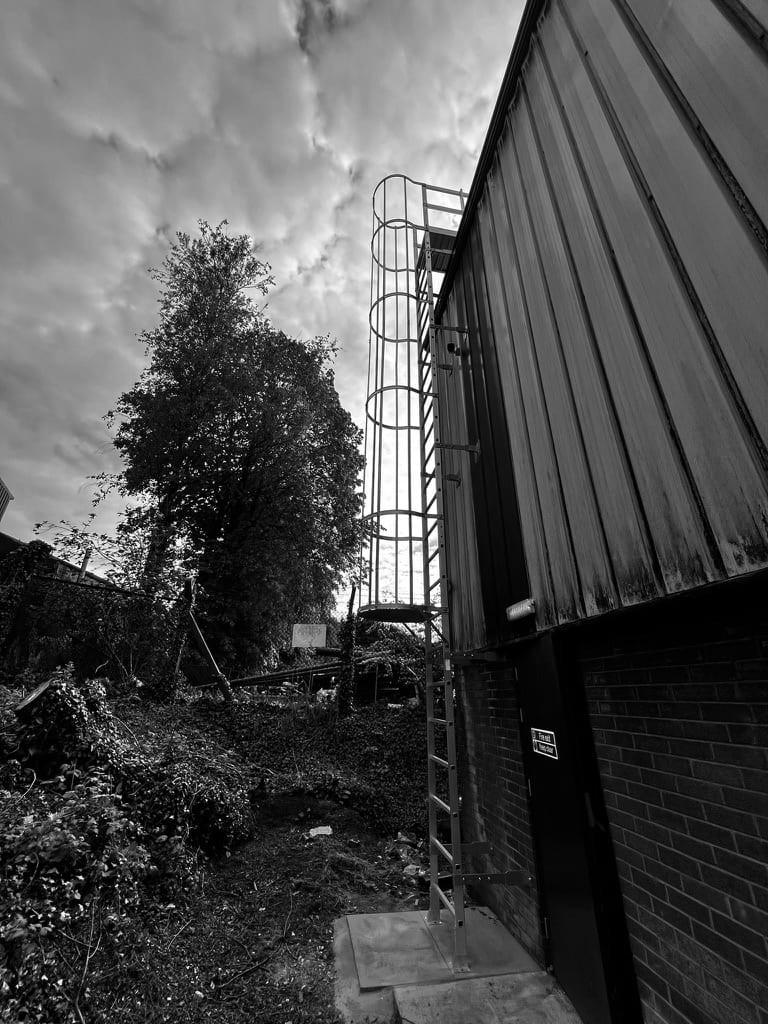
Tie-back anchors at engineered positions for rope access teams to descend and traverse a facade — on their own, or as supplementary anchors alongside an abseil rail.

Facade access systems →

Anchors for timber and flat roofs

Rothoblaas anchors with fixings for CLT, glulam and timber-frame roofs, and Fall Angel WeightAngel weighted anchors that sit on a flat roof without penetrating it.

Systems & manufacturers →

Testing and recertification

Visual inspection and proof-load (pull) testing of eyebolts and single point anchors to BS EN 795 and BS 7883, on anchors we installed and on those we didn't.

Eyebolt & anchor testing →

Where we deliver.

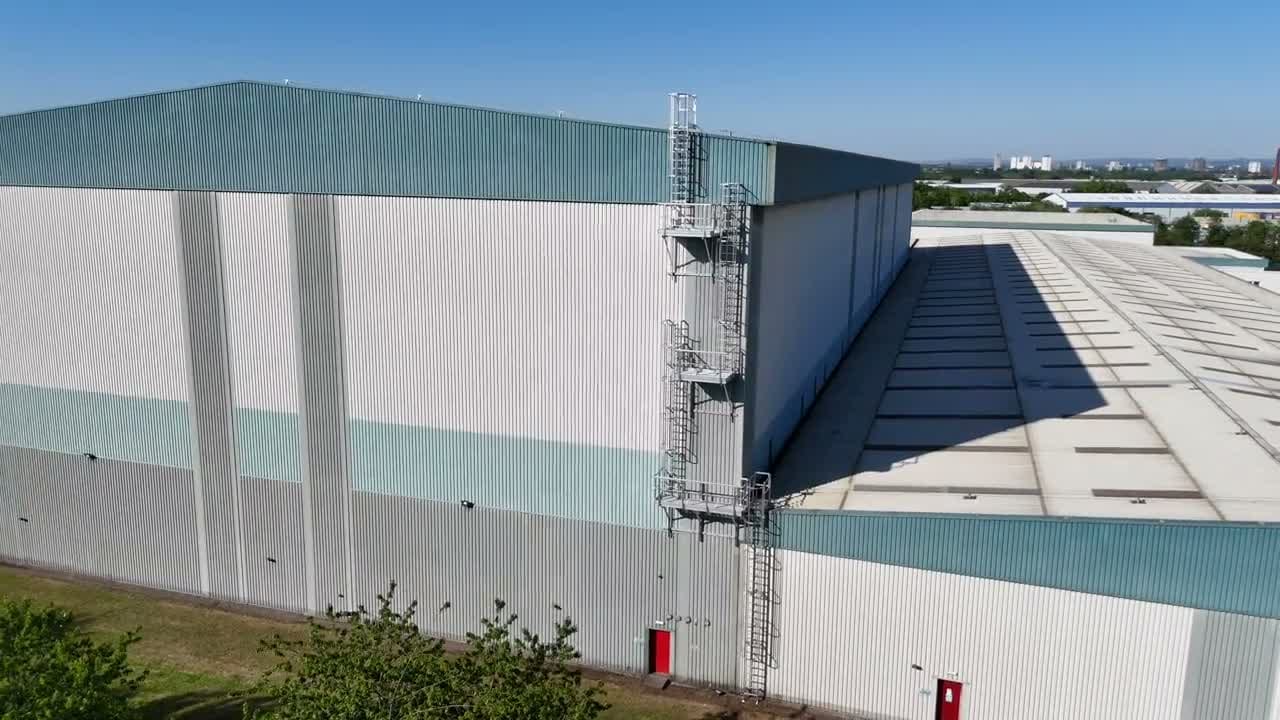
Anchor points are fitted wherever someone needs to work at height in one place — at roof plant, windows, gutters and facade positions. Apex installs across the UK.

  • Commercial offices & high-rise
  • Industrial & manufacturing
  • Warehouse & logistics
  • Education & healthcare
  • Hotels & hospitality
  • Retail & leisure
  • Residential blocks & housing

FAQs.

What is the difference between an anchor point and a lifeline?
An anchor point is a single fixed position, and the user stays within reach of it. A horizontal lifeline lets the user clip on once and move along the whole run. Many roofs use both: a lifeline along the maintenance route and single point anchors at plant locations.
Do eyebolts and anchor points need testing?
Yes. They are inspected at least every 12 months under BS 7883 and, where the standard or manufacturer requires it, proof-load tested. An anchor that isn't in date shouldn't be used until it has been inspected — see Inspection & Testing.
Can an anchor be fitted without penetrating the roof?
On a flat roof, yes. A weighted anchor sits on the roof surface instead of being fixed through it, which suits membrane roofs where a penetration could void the warranty.
Can anchors be fixed to a timber roof?
Yes. Rothoblaas makes anchors and fixings for CLT, glulam and timber-frame structures, and Apex is an authorised installer.
Can you test anchors that someone else installed?
Yes. Periodic inspection under BS 7883 applies to any anchor regardless of who installed it. Apex inspects and recertifies existing anchors and quotes any remedial work needed.

Talk to our Fall Protection team about anchor points & eyebolts

Contact our Fall Protection team today about your project. We aim to respond within 24 hours.

  1. 1Contact
  2. 2Project
  3. 3Details