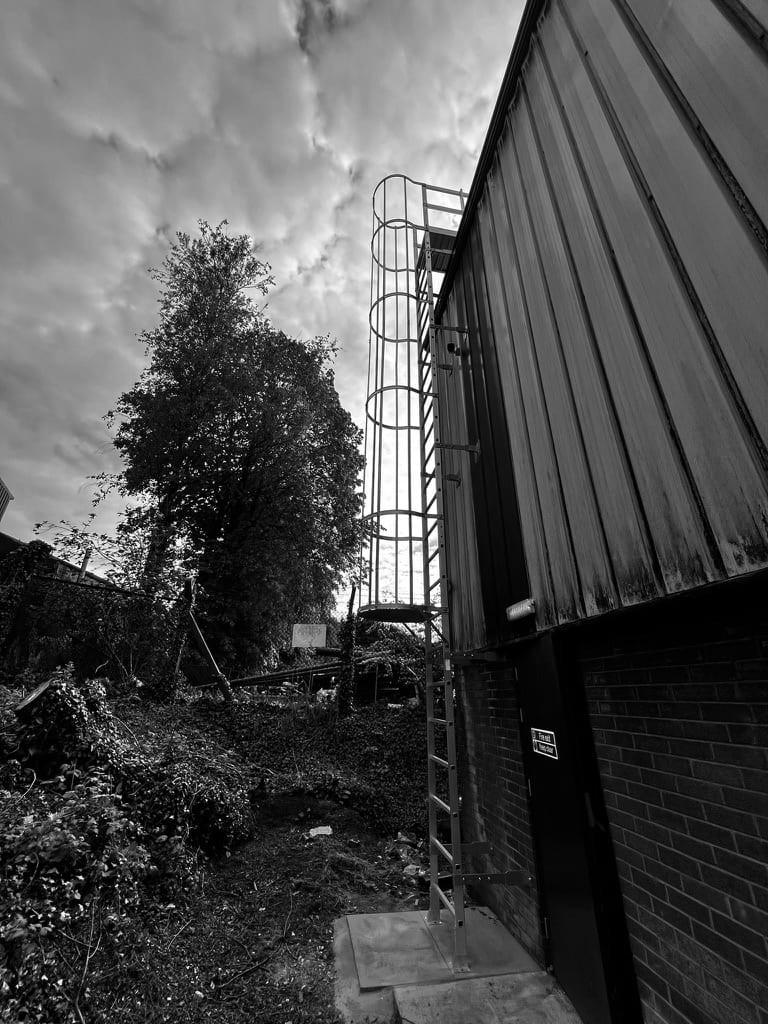
Vehicle and tanker tops
Protection for people working on top of vehicles, trailers and tankers, where there is no edge to protect and a foot-level lifeline can't reach.
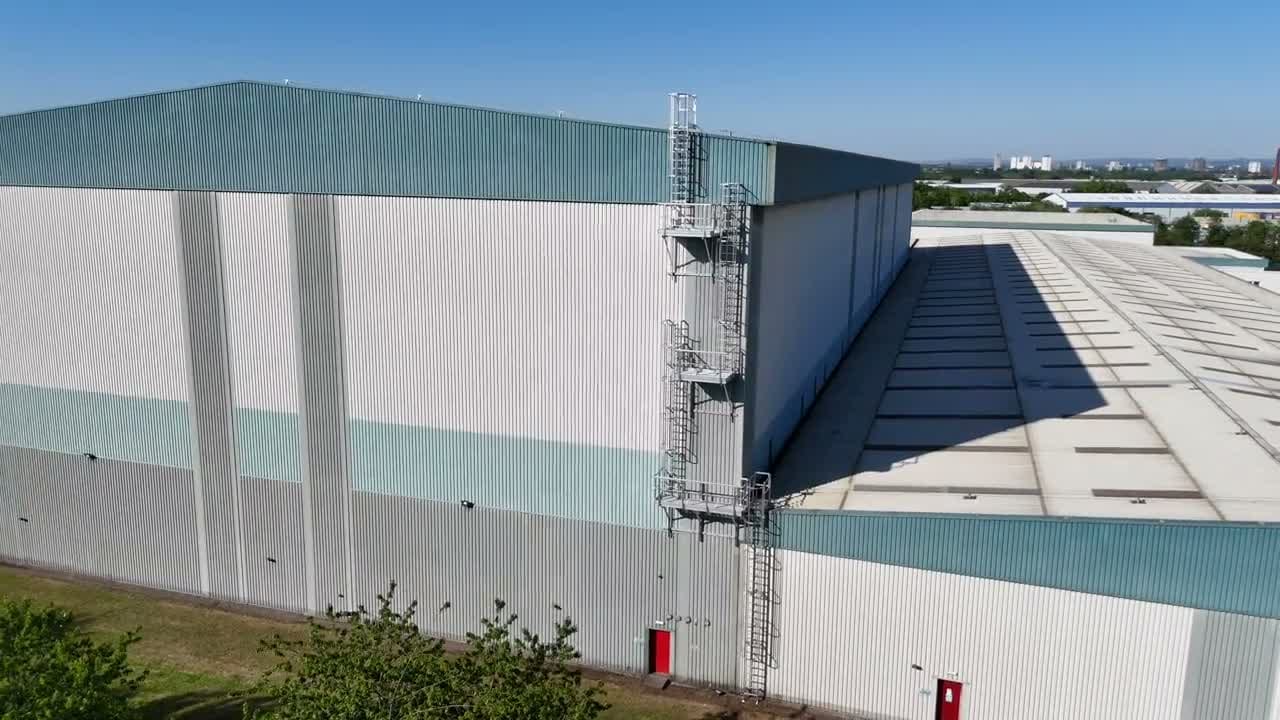
Fall arrest from above for loading bays, vehicle and tanker tops, production lines and maintenance bays — rigid rail or cable systems fixed overhead.
Overhead fall protection is a fall arrest system fixed above the work area, so the user's connection runs up from their harness instead of along the floor. It is used where edge protection or a foot-level lifeline can't reach: on top of vehicles and tankers, in loading bays, over production lines and in maintenance bays. The system is either a rigid rail or a cable, suspended from the building structure or carried on a freestanding portal where there is nothing overhead to fix to. A trolley runs along it and follows the user as they move. Rigid rail suits places with very little room to fall, because a rail doesn't deflect the way a cable does. Apex engineers the system to the work area and the way it is accessed, installs it and inspects it afterwards. We are an authorised installer for FallProtec, whose SecuRail rigid rail and SecuRope cable lifeline both come in overhead configurations.
Part of Fall Protection Division.
Protection for people working on top of vehicles, trailers and tankers, where there is no edge to protect and a foot-level lifeline can't reach.
Overhead systems above loading bays, production lines and machine maintenance areas, engineered to the work area and the access pattern.
FallProtec SecuRail Pro is an anodised-aluminium rail to EN 795:2012 Type D, with spans of up to 6 m and two users between brackets. It doesn't deflect the way a cable does, which suits areas with very little room to fall.
View product →FallProtec SecuRope Neo Pro in its overhead configuration: a low-deflection cable lifeline for up to four users, with brackets for steel beams and overhead structures.
View product →Where there is no structure overhead to fix to, the system is carried on a freestanding portal instead of being suspended from the building.
Overhead systems are fitted where the work is on top of something instead of at an edge. Apex installs across the UK.
Contact our Fall Protection team today about your project. We aim to respond within 24 hours.