Apex Access Group
Trust. By Design
Apex Access Group — fall protection vertical lifelines works at height

Vertical lifelines and ladder fall arrest systems

Vertical fall arrest systems for fixed ladders, towers, masts and facades — a shuttle follows the climber and locks on to the line if they fall.

What is a vertical lifeline?

A vertical lifeline is a fall arrest system that runs the height of a fixed ladder, tower, mast or facade. The climber connects their harness to a travelling device, called a shuttle, that runs on a rail or a tensioned cable. The shuttle follows them up and down without restricting the climb, and locks on to the line if they fall. Permanent systems of this kind are covered by BS EN 353-1. On a fixed ladder a vertical lifeline does the job of a ladder cage: BS EN ISO 14122-4 calls for fall protection on fixed vertical ladders over 3 metres, and a lifeline is the alternative to a cage — easier to inspect and cleaner on a facade where appearance matters. Apex sizes the system to the structure and the height of the climb, installs it and inspects it afterwards. We are an authorised installer for FallProtec, whose SecuRope range includes a vertical variant for ladders and inclined runs and whose SecuRail rigid rail can also be used vertically.

How we deliver.

Ladder fall arrest systems

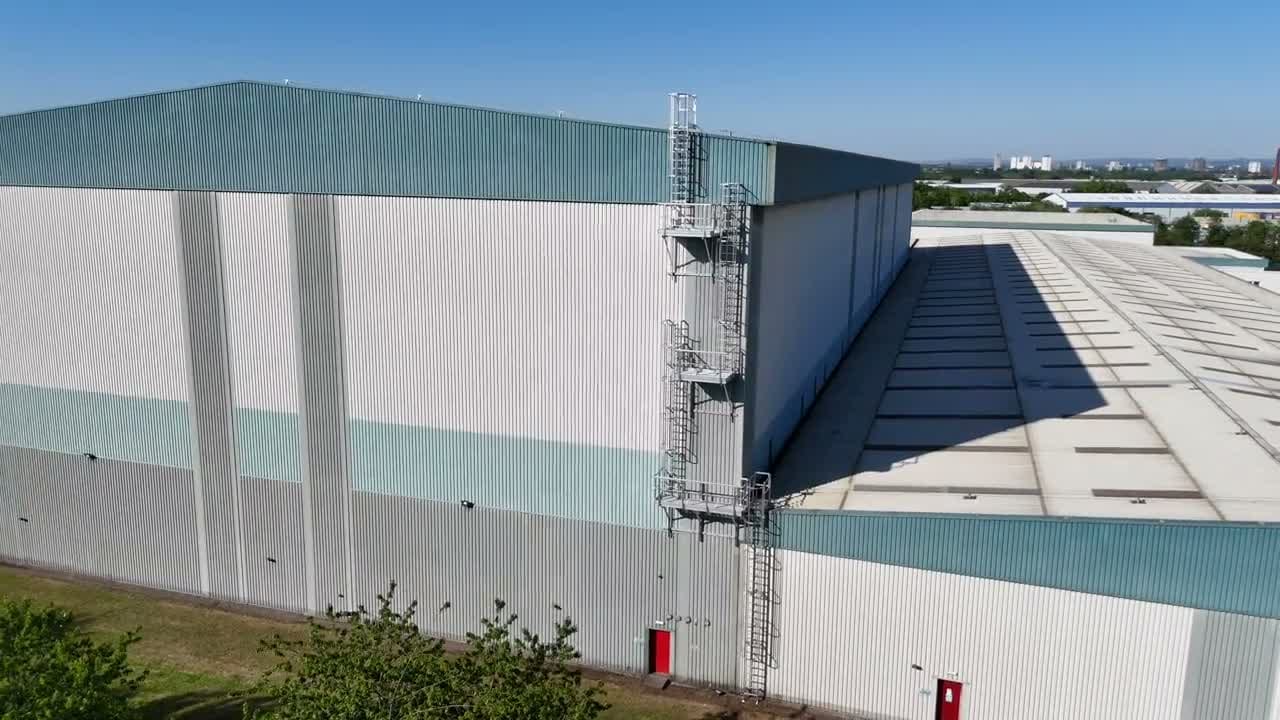
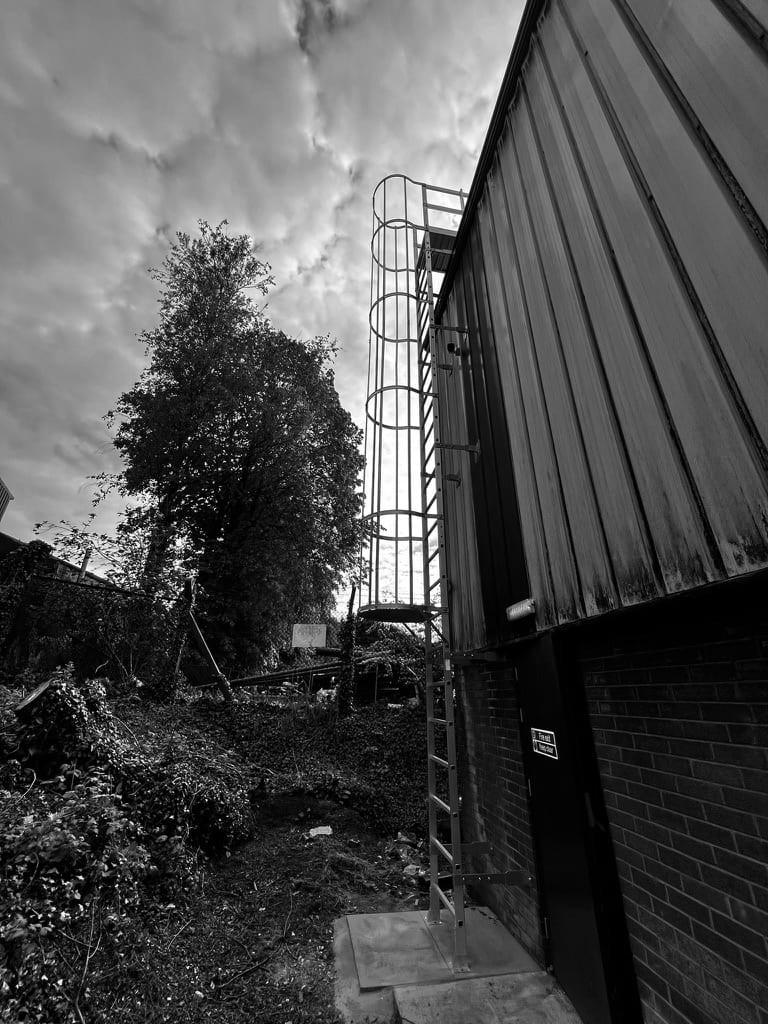
A vertical lifeline fitted to a fixed ladder in place of a cage. BS EN ISO 14122-4 calls for fall protection on fixed vertical ladders over 3 metres; a lifeline is easier to inspect than a cage and cleaner on facades where appearance matters.

Cat ladders & roof access →

Towers, masts and facades

BS EN 353-1 vertical fall arrest systems on facades, towers and masts, sized to the structure and the height of the climb.

Inclined runs

FallProtec SecuRope can be run on inclines between 30° and 90° with the QuickSet fall arrester, for pitched and inclined routes.

View product →

Rigid rail

Where a rail suits the structure better than a cable, FallProtec SecuRail can be used for vertical fall arrest.

Rail systems →

Inspection

Inspection of vertical fall arrest systems, ladders and cages — rungs, stiles, fixings, rest platforms and the lifeline and shuttle — so fixed vertical access stays safe to climb.

Inspection & testing →

Where we deliver.

Vertical lifelines are fitted wherever people climb a fixed route — roof access ladders, towers, masts and facades. Apex installs across the UK.

  • Commercial property & high-rise
  • Industrial & manufacturing
  • Warehouse & logistics
  • Petrochemical & utilities
  • Education & healthcare
  • Rail stations & infrastructure

FAQs.

How does a vertical lifeline work?
The climber wears a harness connected to a shuttle that travels on the line. It moves with them as they climb and locks on to the line if they fall.
Does a fixed ladder need a cage or a vertical lifeline?
BS EN ISO 14122-4 calls for fall protection on any fixed vertical ladder over 3 metres. That can be a cage or a vertical lifeline. A lifeline is easier to inspect and less visible on the building; it does need the climber to wear a harness and connect to the shuttle.
Which vertical systems do you install?
Apex is an authorised installer for FallProtec. Its SecuRope cable range includes a vertical variant for ladders and inclined runs, and its SecuRail rigid rail can be used vertically.
How often does a vertical lifeline need inspecting?
At least every 12 months, and more often if the manufacturer specifies it. Apex inspects the line, the shuttle and the ladder it is fixed to — see Inspection & Testing.

Talk to our Fall Protection team about vertical lifelines

Contact our Fall Protection team today about your project. We aim to respond within 24 hours.

  1. 1Contact
  2. 2Project
  3. 3Details