Apex Access Group
Trust. By Design
Apex Access Group — fall protection fall protection works at height

Fall protection systems: lifelines, anchors and guardrails

Engineered fall arrest, restraint and edge protection systems — horizontal and vertical lifelines, anchor points, rail systems and guardrails. Designed, installed and certified to BS EN and HSE standards.

What is a fall protection system?

A fall protection system is the permanent safety equipment installed on a building so people can work at height on it safely. There are two kinds. Collective protection, such as a fixed or freestanding guardrail, stops anyone reaching the edge and needs no harness or training to use. Personal protection — single point anchors, horizontal and vertical lifelines, overhead systems and rigid rail — protects the trained user who clips on to it, either by holding them back from the edge (restraint) or by stopping a fall safely (fall arrest). The Work at Height Regulations 2005 favour collective measures ahead of personal ones, so the right system depends on how often the roof or structure is accessed, who by, and what the building will take. Apex surveys the structure, designs the system around the way it will be used, then installs and certifies it. We are an authorised installer for SFS, FallProtec, Fall Angel, Rothoblaas, Genesi Protection and Harken. All installations are BS EN 795 / BS 7883 compliant with full project documentation, load testing and annual recertification.

How we deliver.

Single point anchors

Discrete BS EN 795 Class A anchors fixed at engineered positions for fall arrest, restraint and rope-access tie-back. We confirm the substrate and load path on survey, install to manufacturer spec on steel, concrete, masonry or membrane, and proof-load test every anchor at commissioning.

Anchor points & eyebolts →

Horizontal lifelines (mansafe)

Continuous BS EN 795 Class C wire-rope lifelines — SFS SOTER, FallProtec and other approved systems — that let operatives clip on once and traverse a full rooftop or facade run. Designed to the roof geometry and user numbers, installed by manufacturer-trained engineers and recertified annually under BS 7883.

Mansafe horizontal lifelines →

Vertical lifelines

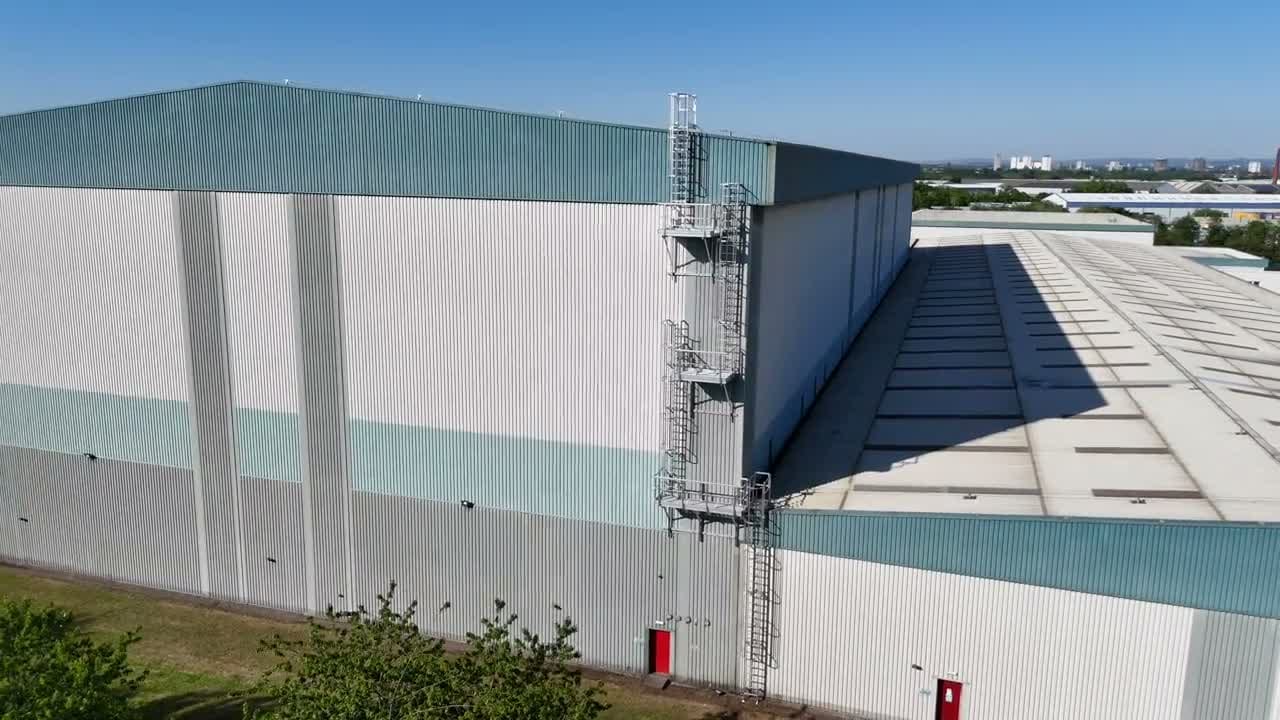
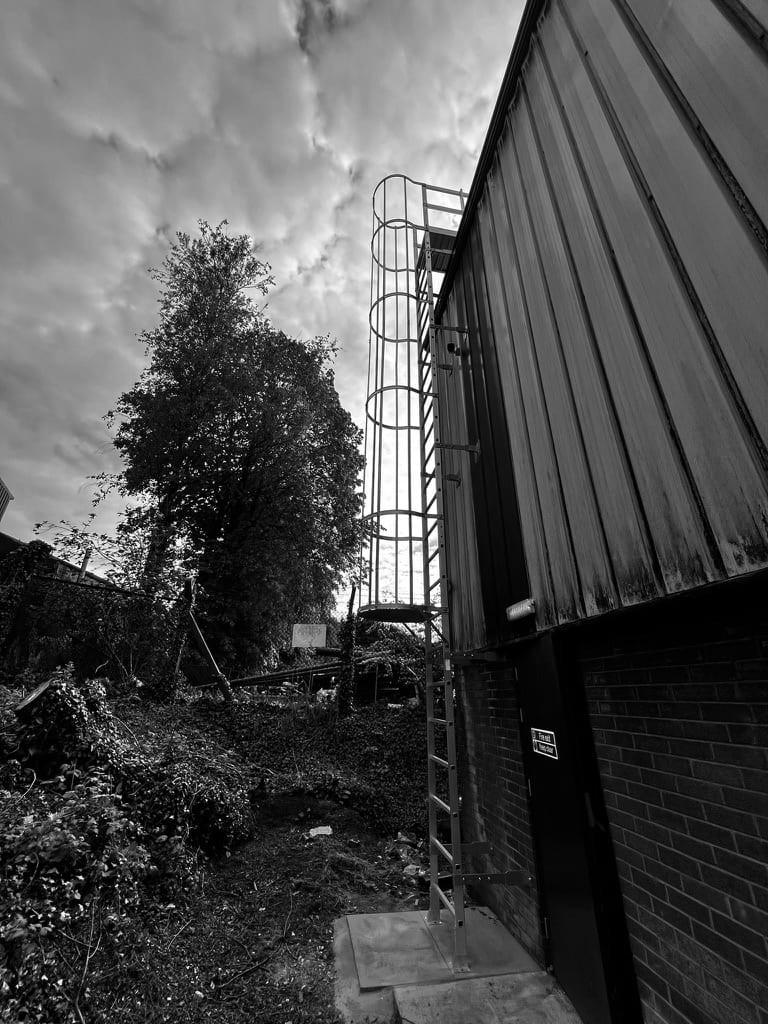
BS EN 353-1 vertical fall-arrest systems on facades, towers, masts and fixed-ladder runs — a cleaner, easier-to-inspect alternative to a traditional ladder cage. Travelling shuttles arrest a fall without restricting the climb, sized to the structure and the height.

Vertical lifelines →

Overhead fall protection

Arrest systems that protect from above — for production lines, loading bays, vehicle and tanker tops, and maintenance bays where edge protection or a foot-level lifeline can't reach. Rigid or wire systems suspended from the structure, or freestanding portals, engineered to the work area and access pattern.

Overhead fall protection →

Rail systems

Rigid-rail fall-arrest track for overhead and horizontal use — a smooth, hands-free traverse with the highest load tolerance, used where a flexible wire system isn't suitable or several users share a run. Track, trolleys and end-stops sized to span and loading, fixed to the supporting structure.

Rail systems →

Fixed guardrails

Permanent, mechanically-fixed edge protection to roof edges, walkways and plant platforms — collective protection that needs no user PPE, training or clip-on discipline. The first-choice solution wherever the structure allows a fixed rail, specified to the roof perimeter and access route.

Roof guardrails →

Freestanding guardrails

Counter-weighted, non-penetrative guardrails for membrane, asphalt and single-ply roofs where penetrations would void the warranty. Ballast-weighted bases give collective edge protection without a single fixing into the structure — ideal for retrofit on warranty-protected roofs.

Freestanding guardrails →

Where we deliver.

Fall protection systems are needed on any structure where people access the roof, facade or high-level plant for inspection, maintenance or cleaning. Apex installs across the UK.

  • Commercial offices & high-rise
  • Industrial & manufacturing
  • Warehouse & logistics
  • Education & healthcare
  • Hotels & hospitality
  • Food & pharma (BRC)
  • Petrochemical & utilities
  • Rail & highways infrastructure

FAQs.

What types of fall protection system are there?
Permanent systems fall into two groups. Collective protection — fixed and freestanding guardrails — protects everyone on the roof without any equipment. Personal protection covers single point anchors, horizontal lifelines (often called mansafe systems), vertical lifelines for ladders, towers and masts, overhead systems for loading bays and production lines, and rigid rail. Many buildings use more than one, chosen on survey.
Should I have a guardrail or a lifeline?
A guardrail stops anyone reaching the edge and needs no training or equipment, so it suits roofs that are accessed often. A lifeline protects only the trained people clipped on to it, so it suits routes used occasionally by maintenance staff, or roofs where a rail isn't practical. The Work at Height Regulations 2005 favour the guardrail where it can be fitted.
Which manufacturers' systems do you install?
Apex is an authorised installer for SFS (SOTER II), FallProtec (SecuRope and SecuRail), Fall Angel, Rothoblaas, Genesi Protection and Harken, and has installed systems from each. The system is matched to the building and the way it is used — see Systems & Manufacturers for the full range.
Can fall protection be installed without fixing through the roof?
Yes. Counter-weighted freestanding guardrails and weighted anchors sit on the roof surface and need no fixings into the structure. That suits membrane, asphalt and single-ply roofs, where a penetration could void the warranty or risk water ingress.
How often does a fall protection system need inspecting?
Anchor devices and lifelines should be inspected at least every 12 months under BS 7883, and more often if the manufacturer requires it. Apex runs annual inspection programmes with documented test certificates and carries out remedial works in-line — see Inspection & Testing.
How much does a fall protection system cost?
It depends on the type of system, its length or the number of anchors, the roof build-up and the access needed to install it. Apex provides a free site survey and a fixed-price quotation.

Talk to our Fall Protection team about fall protection

Contact our Fall Protection team today about your project. We aim to respond within 24 hours.

  1. 1Contact
  2. 2Project
  3. 3Details